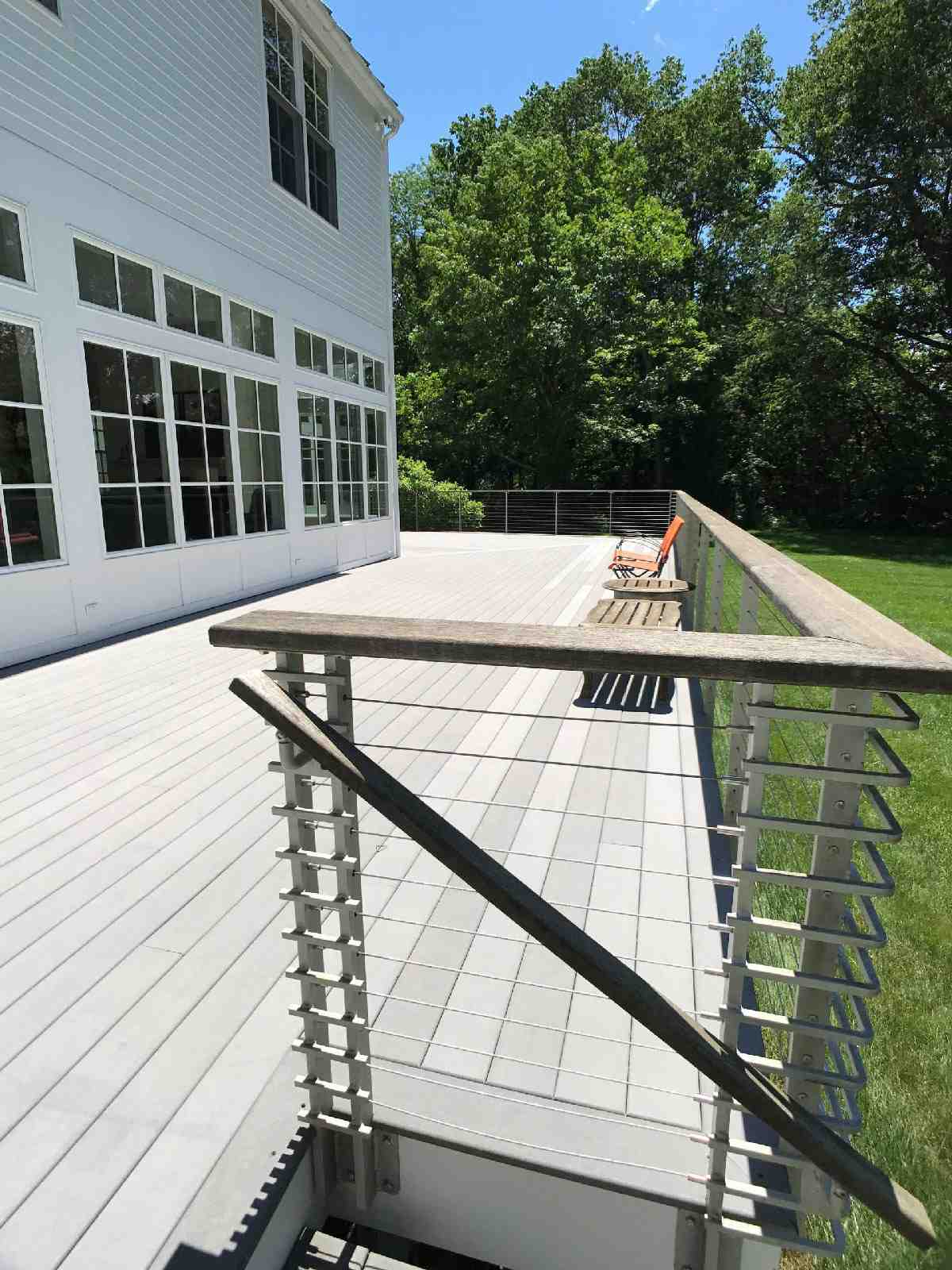
Home Additions and Remodeling: Top 7 Powerful Steps
Home additions and remodeling are transformative processes that not only expand your living space but also lift the functionality and aesthetic charm of your home. Whether you’re dreaming of a larger kitchen, an extra bedroom, or a cozy new office, this comprehensive guide will walk you through everything you need to know about planning and executing these projects. Here’s a quick look at what this involves:
- Overview: Gain the insights you need to kickstart your home change.
- Importance: Find how these projects improve your living space and boost property value.
- Planning: Learn to set realistic budgets and timelines for a successful outcome.
My name is Jerome Bertuglia, owner of Prime Homes, Inc., located in West Hartford, CT. With over 30 years of experience in home additions and remodeling, I’m dedicated to delivering projects that not only meet but exceed our clients’ visions through expert craftsmanship and meticulous attention to detail.
Relevant articles related to home additions and remodeling:
Understanding Home Additions and Remodeling
Definitions
Home Additions: This involves expanding your home’s footprint to create more space. Common types include bump-outs, second stories, and sunrooms. For example, a bump-out can add a few feet to your kitchen or bathroom, offering more room without the expense of a full-scale addition. These projects can be complex, often requiring structural changes and permits.
Remodeling: Remodeling focuses on altering the existing structure or layout of your home. This could mean changing a closed kitchen into an open-plan design or converting an attic into a livable space. Unlike additions, remodeling doesn’t necessarily increase your home’s size but rather improves its functionality and aesthetics.
Differences
While both processes aim to improve your home, they differ in scope and execution:
- Additions expand square footage, often involving new construction.
- Remodeling modifies existing spaces, focusing on layout and design changes.
Understanding these differences is crucial for setting realistic expectations and communicating effectively with contractors.
Benefits
Both home additions and remodeling offer numerous advantages:
- Increased Space: Perfect for growing families or those needing more room for hobbies or work-from-home setups. Adding a second story can double your living space without expanding your home’s footprint.
- Improved Functionality: Remodeling can optimize your home’s layout, making daily activities more convenient. For example, a kitchen remodel can create an efficient work triangle between the sink, stove, and refrigerator.
- Boosted Property Value: Thoughtful additions and remodels can increase your home’s resale value. However, research which projects offer the best return on investment in your area.
- Energy Efficiency: Upgrading windows, insulation, and appliances can reduce energy bills and your environmental footprint.
- Personalization: Tailor your home to reflect your lifestyle and tastes, creating a space that truly feels like yours.
By understanding these aspects, you can make informed decisions that align with your goals and budget. Next, we’ll dive into how to effectively plan your home additions and remodeling project, ensuring a smooth and successful change.
Planning Your Home Additions and Remodeling Project
When planning home additions and remodeling, a well-thought-out strategy is essential. Let’s explore the key areas you need to focus on: budgeting, timeline, permits, and design considerations.
Budgeting
Creating a realistic budget is the cornerstone of any successful home project. Here’s how to approach it:
- Research Costs: Understand typical costs for labor and materials in your area. This can vary significantly depending on the scope of your project. For example, adding a new room might cost more than remodeling an existing space.
- Set Priorities: Determine which elements are must-haves and which are nice-to-haves. This helps in allocating funds where they matter most.
- Build a Cushion: Allocate about 20% of your budget for unexpected expenses. This helps avoid stress if surprises arise during the project.
Timeline
A clear timeline keeps your project on track. Here’s a simplified breakdown:
- Initial Planning (Weeks 1-2): Define your goals and start the design process.
- Permitting Process (Weeks 3-4): Obtain necessary permits. This step is crucial and can vary in duration.
- Construction Phases (Weeks 5-10): Begin construction, starting with foundation, framing, and roofing.
- Finishing Touches (Weeks 11-12): Complete final inspections and add finishing details.
For example, a bathroom remodel might follow a similar timeline: demolition and plumbing in weeks 1-2, electrical work in weeks 3-4, and installing fixtures in weeks 5-6.
Permits
Permits are a legal necessity for most home additions and remodels. Here’s what you need to know:
- Understand Local Codes: Building codes can vary by location. In places like Connecticut, the average cost for permits is around $2,500. Always check with your local zoning office.
- Contractor Assistance: Your contractor usually handles the permit process, but staying informed ensures everything is in order.
- Environmental Considerations: If your property is near protected areas, additional permits may be needed.
Design Considerations
Thoughtful design is key to a successful project. Consider the following:
- Initial Design: Work with architects or designers to create plans that meet your needs and comply with regulations.
- Final Design: Once the initial design is approved, finalize details and prepare for construction.
- Inspiration: Look for ideas in magazines, online platforms, and local homes. This helps in visualizing your dream space.
By focusing on these areas, you ensure a smooth and successful home change. Next, we’ll explore the key steps involved in home additions and remodeling, from site assessment to inspections.
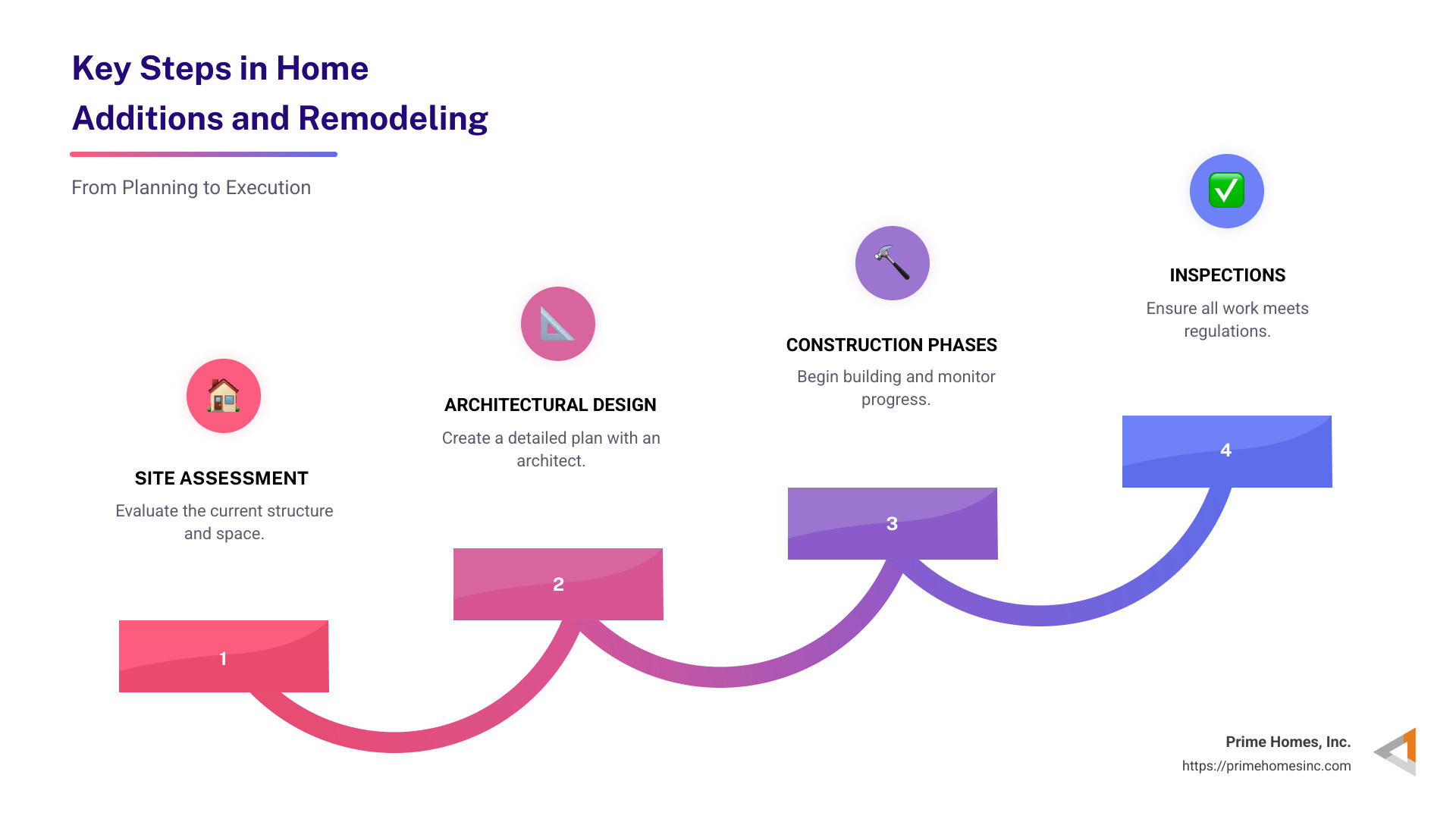
Key Steps in Home Additions and Remodeling
When it comes to home additions and remodeling, following a clear process ensures success. Let’s explore the key steps: site assessment, architectural design, construction phases, and inspections.
Site Assessment
Before any work begins, assess the site. This involves:
- Evaluating the Space: Understand the current layout and how the new addition will fit. Consider factors like sunlight, access, and existing structures.
- Checking Regulations: Verify local zoning laws and building codes. For instance, some areas have restrictions on building height or proximity to property lines.
- Environmental Impact: If your property is near wetlands or protected land, additional assessments might be necessary. Consulting a professional can help steer these complexities.
Architectural Design
This step is where your vision starts to take shape:
- Initial Design: Collaborate with architects to draft plans. This includes layout, style, and functionality considerations. Choose a style that resonates with your taste—be it modern, traditional, or craftsman.
- Final Design: Once you’re happy with the initial drafts, finalize the design. Make sure it complies with local regulations and meets your needs.
- Customization: Tailor the design to fit your lifestyle. For example, if you love cooking, prioritize a spacious kitchen with high-end appliances.
Construction Phases
Now, it’s time to bring the design to life:
- Foundation and Framing: Start with laying the foundation and building the framework. This forms the backbone of your addition.
- Plumbing and Electrical: Install essential systems like plumbing and electrical wiring. Ensure these are done by licensed professionals for safety and compliance.
- Roofing and Siding: Complete the exterior with roofing and siding. Choose materials that are durable and match the overall aesthetic.
- Interior Finishes: Add finishing touches like flooring, paint, and fixtures. This is where your space starts to feel like home.
Inspections
Inspections are crucial to ensure everything is up to code:
- During Construction: Schedule inspections at various stages, such as after framing and electrical work. This ensures compliance and safety.
- Final Inspection: Once construction is complete, a final inspection confirms that all work meets local building codes and regulations.
- Addressing Issues: If any issues are found, address them promptly to avoid delays.
By following these steps, your home additions and remodeling project will be well-organized and efficient. Next, we’ll discuss choosing the right materials and finishes to improve your home’s sustainability and aesthetics.
Choosing the Right Materials and Finishes
When diving into home additions and remodeling, selecting the right materials and finishes is crucial. This step impacts not only the look of your home but also its durability and environmental footprint. Let’s break it down into three key areas: sustainability, durability, and aesthetics.
Sustainability
Sustainable choices are more important than ever. Opting for eco-friendly materials can have a big impact on the environment and your home’s energy efficiency.
- Eco-Friendly Materials: Consider using bamboo flooring, recycled glass countertops, or low-VOC (Volatile Organic Compounds) paints. These materials are not only kinder to the planet but also safe for your indoor air quality.
- Energy-Efficient Options: Incorporate energy-efficient designs with high-performance windows and advanced insulation. These choices can lower your utility bills and reduce your home’s carbon footprint.
- Water Conservation: Implement systems like rainwater harvesting or efficient irrigation to minimize water use. This is especially useful in areas prone to droughts.
Durability
When you’re investing in a home project, you want it to last. Choosing durable materials can save you money and hassle in the long run.
- Hardwood and Stone: Materials like hardwood floors and granite countertops are known for their longevity. They withstand wear and tear while maintaining their beauty.
- Composite Decking: For outdoor spaces, composite materials offer the durability of wood without the maintenance. They resist rot and insects, making them a smart long-term choice.
- Advanced Composites: In some areas, using advanced composites can improve both durability and weather resistance, ensuring your home stands strong against the elements.
Aesthetics
Finally, aesthetics play a huge role in how your home feels. The right finishes can transform a space from ordinary to extraordinary.
- Matching Styles: Ensure new additions match the existing style of your home. Whether it’s modern, traditional, or craftsman, consistency in design creates a seamless look.
- Color Coordination: Pay attention to color schemes. Matching flooring, trim, and paint colors can tie spaces together, making them feel cohesive and inviting.
- Unique Touches: Personalize your space with unique finishes like custom cabinetry or intricate tile work. These details reflect your personality and make your home truly yours.
By focusing on sustainability, durability, and aesthetics, you can improve both the functionality and beauty of your home during your home additions and remodeling project. Next, let’s explore how to work with professionals to bring your vision to life.
Working with Professionals
When starting on a home additions and remodeling project, working with the right professionals can make all the difference. Here’s a look at the key players: architects, contractors, and interior designers.
Architects
Architects are vital in turning your vision into a workable plan. They help design the layout and ensure it meets building codes and regulations. Involving an architect early can save time and money by avoiding costly design changes later.
- Design Expertise: Architects bring a wealth of design knowledge. They can suggest innovative solutions to maximize space and functionality.
- Permits and Regulations: They help you steer local building codes and obtain necessary permits, so your project stays on track.
- Case Study: The Smiths worked with an architect to remodel their kitchen. The architect suggested an open layout that improved both flow and lighting, enhancing the home’s overall feel.
Contractors
Choosing the right contractor is crucial for the success of your remodeling project. They manage the construction process, ensuring everything is built according to plan.
- Experience Matters: Look for contractors with experience in projects similar to yours. This ensures they understand the intricacies involved.
- Communication: A good contractor keeps you informed and involved. Regular updates help you stay on top of the progress.
- Fact: According to Prime Homes, Inc., checking online reviews and asking for references can give you a good idea of what to expect from a contractor.
Interior Designers
Interior designers focus on the look and feel of your home. They help select colors, materials, and furnishings that align with your vision.
- Aesthetic Guidance: Designers can recommend styles and finishes that complement your existing décor, ensuring a cohesive look.
- Space Optimization: They know how to make the most of your space, offering creative solutions for storage and layout.
- Quote: One client shared, “Our interior designer’s attention to detail transformed our living area into a warm, inviting space that we love.”
By working with architects, contractors, and interior designers, you can ensure your home additions and remodeling project is a success. These professionals bring expertise and creativity, turning your ideas into reality while keeping the process smooth and stress-free.
Next, we’ll address some frequently asked questions about home additions and remodeling, including costs, timelines, and permits needed.
Frequently Asked Questions about Home Additions and Remodeling
What is the average cost of home additions?
The cost of home additions can vary widely depending on several factors. On average, you might expect to spend between $21,000 and $73,500, with a typical project costing around $46,000.
Key Factors Influencing Cost:
- Labor Costs: These can account for 50% to 60% of your total budget. For example, plumbers charge between $45 to $200 per hour, while electricians charge $50 to $150 per hour.
- Materials: Choosing budget-friendly materials can help keep costs down. For instance, opting for vinyl plank flooring instead of hardwood can save money.
- Design Complexity: More complex designs, like adding a second story, will be more expensive due to the need for extra structural support.
Consider adding an extra 10% to 20% to your budget for unexpected expenses, like hidden structural issues or price increases in materials. This contingency fund can help keep your project on track without financial stress.
How long does a remodeling project typically take?
The timeline for a remodeling project can vary based on the project’s size and complexity. Here’s a general idea:
- Small Projects: Such as a bathroom remodel, might take about 6 to 12 weeks. For example, the first two weeks might involve demolition and plumbing, followed by electrical work and framing, and ending with installing fixtures and finishes.
- Larger Projects: Like a full home addition, can take two to six months. This includes everything from initial planning and permitting to construction and final inspections.
Factors like weather, material availability, and project complexity can impact the timeline. It’s crucial to set a realistic schedule and communicate regularly with your contractor to ensure everything stays on track.
What permits are needed for home additions?
Permits are essential for ensuring your home additions comply with local building codes and safety standards. Here’s a simple breakdown:
- Building Permits: Most additions will require these to ensure the project meets structural and safety regulations.
- Special Permits: A second story addition, for example, might need multiple permits and inspections at different stages.
- Environmental Permits: If your property is near protected land or wetlands, additional environmental permits may be necessary.
Your contractor typically handles the permit process, but it’s wise to stay informed. Always check with your local zoning office to ensure compliance with all regulations, as these can vary significantly between municipalities.
Understanding these aspects of home additions and remodeling can help you plan effectively and avoid common pitfalls. Next, we’ll explore how to choose the right materials and finishes for your project.
Conclusion
At Prime Homes, Inc., we believe that a house is more than just walls and a roof—it’s a reflection of your dreams and lifestyle. Our commitment to personalized service ensures that every home addition and remodeling project we undertake is custom to meet the unique needs and desires of each client.
Luxury Craftsmanship is at the core of what we do. Our team of skilled professionals has over 30 years of experience and takes pride in delivering high-quality work that stands the test of time. Whether you’re adding a new room, remodeling a kitchen, or creating an outdoor living space, we ensure every detail is perfect.
Our approach is centered around client collaboration. We involve you in every step, from the initial design to the final walkthrough. This hands-on process guarantees that your new space is not only beautiful but also functional and aligned with your vision.
Choosing Prime Homes, Inc. means opting for a partner who values your vision as much as you do. Our extensive knowledge of local zoning laws and building codes helps us steer any legal problems smoothly, keeping your project on track and compliant with all regulations.
We invite you to start on this exciting journey with us. Find how our expertise in home additions and remodeling can transform your house into a luxurious reality that you’ll cherish for years to come.
For more information, visit our Custom Home Builder page and start planning your dream home with us today. Let’s build something amazing together!