

Custom Home Construction: Top Trends for 2025
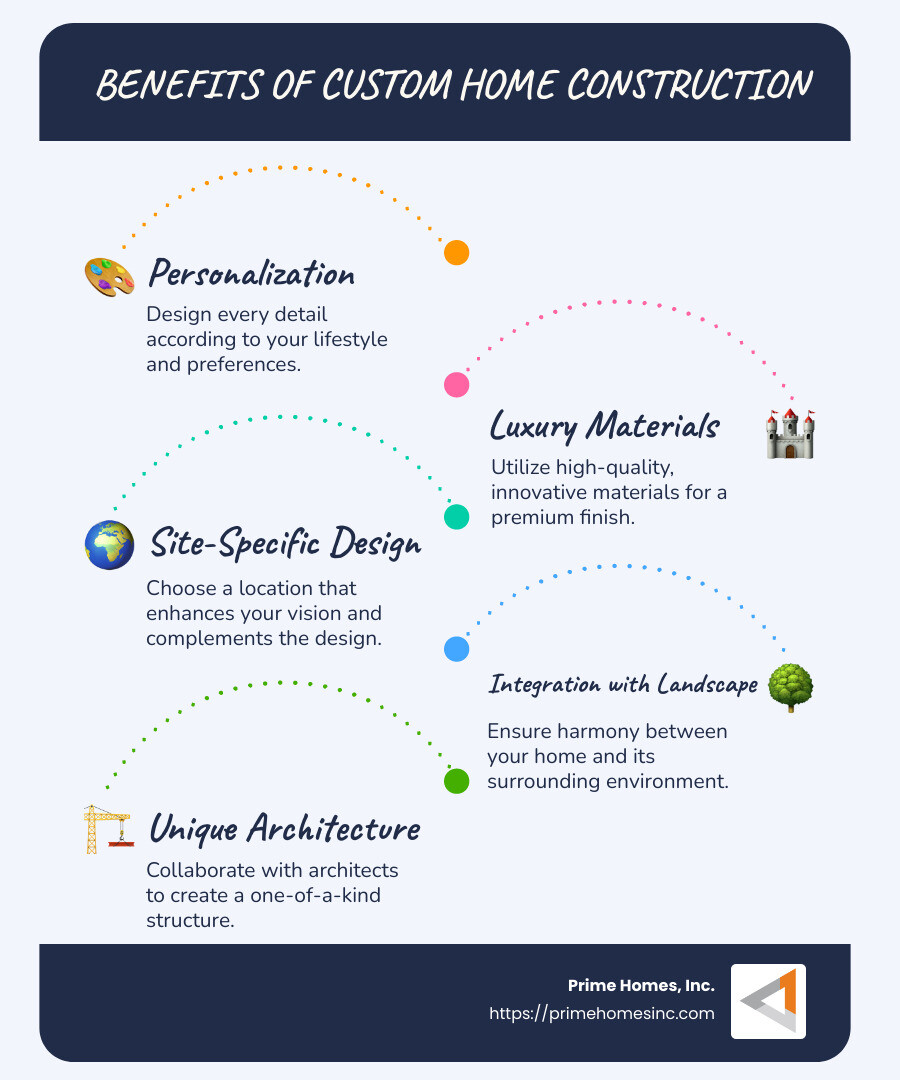
Custom home construction is not just about building a house; it’s about creating a personalized sanctuary that reflects your unique style and needs. Here’s what sets custom home construction apart:
- Personalization: Design every detail to fit your lifestyle.
- Luxury: Use high-quality materials and innovative designs.
- Site-Specific: Choose a location that complements your vision.
At Prime Homes, Inc., we specialize in changing your dream home into reality. Our custom homes stand apart for their bespoke design and luxurious touches that cater to your specific desires and the surrounding Connecticut landscape.
As Jerome Bertuglia, I’ve dedicated over 30 years to the art of custom home construction. Leading Prime Homes, Inc., my family-owned company, I ensure each home we build exemplifies unparalleled craftsmanship and sustainability, setting new benchmarks in the industry.
Quick custom home construction terms:
– custom home building companies
– custom home building cost
– custom home communities
Understanding Custom Home Construction
Building a custom home is a unique journey. It’s about crafting a house that is truly yours, from the ground up. Let’s explore what makes custom home construction so special.
Unique Houses
Every custom home is one-of-a-kind. Unlike production homes that follow pre-set designs, custom homes are custom to your vision. You have the freedom to choose every detail—from the architectural style to the layout of each room. This means your home will reflect your personality and lifestyle, making it a true reflection of who you are.
Site-Specific Design
The location of your custom home plays a crucial role in its design. Custom builders, like Prime Homes, Inc., take into account the natural landscape, views, and environmental factors of your chosen site. Whether it’s a serene spot overlooking the Connecticut countryside or a busy neighborhood in West Hartford, the design will harmonize with its surroundings.
For example, if your plot has a stunning view of a nearby forest, large windows and outdoor living spaces can be incorporated to maximize the scenery. This site-specific approach ensures your home is not just beautiful but also in sync with its environment.
Architect Collaboration
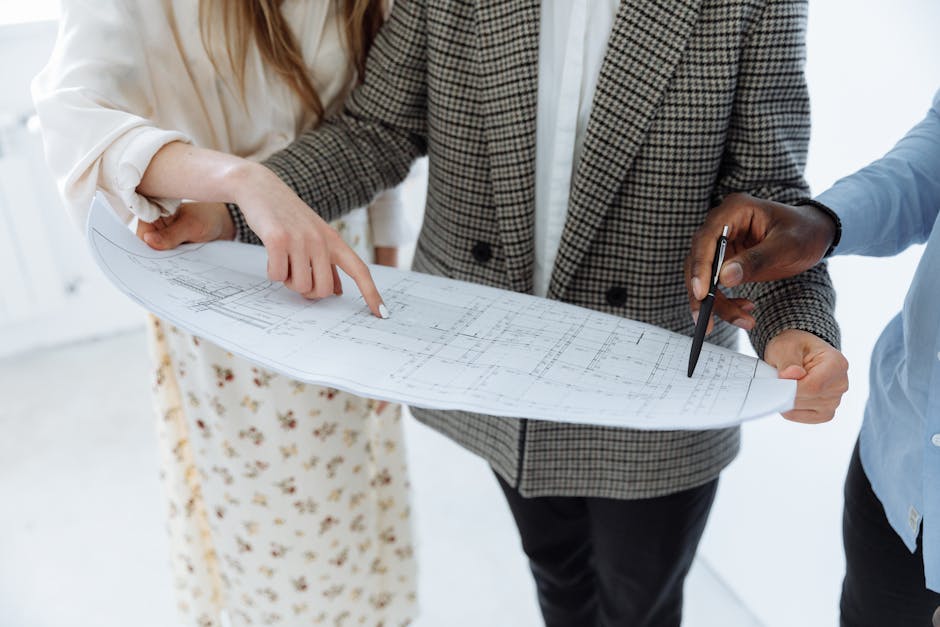
Collaboration with architects is a key part of the custom home process. Architects work closely with you to bring your ideas to life. They use their expertise to translate your vision into a practical and stunning design.
At Prime Homes, Inc., we believe in a collaborative approach. Our team of architects and designers work hand-in-hand with clients to create homes that are not only aesthetically pleasing but also functional and sustainable.
Real-Life Case Study: Haley Custom Homes
Take the case of Haley Custom Homes, known for their progressive approach to building. They focus on minimizing waste and maximizing efficiency, creating luxury homes that are both sustainable and cost-effective. This highlights the importance of choosing a builder that values both design and environmental responsibility.
By combining unique designs, site-specific considerations, and expert architect collaboration, custom home construction offers a personalized experience that production homes simply can’t match.
Next, let’s explore the exciting process of designing your dream home.
Designing Your Dream Home
Creating your dream home starts with a vision. But turning that vision into reality involves careful planning and design. Let’s explore the key elements that make this process exciting and successful.
Design Style
Your home’s design style sets the tone for everything else. Do you lean towards the clean lines of modern architecture, or do you prefer the timeless charm of a traditional style? Maybe the rustic coziness of a farmhouse speaks to you. Each style offers unique features and benefits, so take your time to explore what resonates with you.
Modern styles focus on simplicity and natural light, with large windows and open spaces. Traditional designs offer detailed woodwork and formal layouts for a classic feel. Craftsman homes emphasize natural materials like wood and stone, creating a handcrafted look. Meanwhile, farmhouse styles blend rustic charm with modern amenities, often featuring open kitchens and large porches.
Floor Plans
Choosing a floor plan is one of the most important steps in designing your home. It determines how you and your family will move through and use the space.
- Open Concept: Popular for its spacious feel and ease of movement. Ideal for families and entertaining.
- Single-Story: Perfect for those who prefer everything on one level. Offers easier accessibility with fewer stairs.
- Multi-Story: Provides separation between living and sleeping areas, offering more privacy and space.
When selecting a floor plan, think about your current lifestyle and future needs. Do you plan to expand your family? Will you need a home office? These considerations will guide you to the best layout.
Blueprints
Once you’ve settled on a design style and floor plan, it’s time for blueprints. Blueprints are detailed drawings that show every aspect of your home’s construction. They include everything from room sizes to electrical layouts.
Working with architects and designers, like those at Prime Homes, Inc., ensures your blueprints are both beautiful and functional. They will help translate your ideas into a practical design that fits your budget and needs.
Blueprints are more than just technical drawings; they’re the roadmap to your dream home. They guide the builders and ensure everything comes together perfectly.
Designing a custom home is an exciting journey. By choosing the right design style, floor plan, and blueprints, you’re well on your way to creating a space that truly feels like home.
Next, we’ll dig into the building process and costs involved in bringing your dream home to life.
Building Process and Costs
Building a custom home involves several stages, each with its own set of costs. Let’s break down the main components to help you understand where your money goes.
Construction Costs
Building a home from scratch isn’t cheap. According to Today’s Homeowner, the national average cost for constructing a 2,100 square foot home is about $332,397, excluding land and development costs. However, these numbers can vary significantly by state. For example, building the same home might cost $287,670 in Mississippi but $431,364 in Hawaii.
Here’s a quick look at some average costs by state:
| State | Average Cost |
|---|---|
| Mississippi | $287,670 |
| Texas | $309,334 |
| California | $363,314 |
| New York | $371,875 |
| Hawaii | $431,364 |
These figures are just averages. The actual cost can depend on many factors, including the complexity of your design and local building regulations.
Materials
The materials you choose can significantly impact the overall cost of your custom home construction. High-end materials like marble countertops and custom cabinetry can drive up costs. However, they also add luxury and value to your home.
Consider these factors when choosing materials:
- Durability: Investing in durable materials can save you money on maintenance in the long run.
- Aesthetics: Choose materials that align with your design style and improve the overall look of your home.
- Sustainability: Eco-friendly materials may cost more upfront but can reduce energy bills and help the environment.
Labor Costs
Labor is another significant cost in the building process. Skilled labor is essential for quality construction, and hiring experienced builders can make a big difference.
- Architects and Designers: Hiring an architect is crucial for turning your vision into a workable blueprint. As noted by Christos Viores, an experienced real estate attorney, the architect’s fee can be one of the most surprising costs in custom home building.
- Builders and Contractors: These professionals bring your blueprints to life. Their expertise ensures that your home is built to code and meets all safety standards.
- Specialized Trades: Electricians, plumbers, and HVAC specialists are necessary for installing essential systems in your home. Proper installation is crucial for functionality and safety.
Financing Your Build
Financing a custom home build often involves a construction loan. This type of loan covers the cost of building your home and is typically short-term. During construction, you only pay interest, keeping payments low. Once your home is built, the loan converts into a regular mortgage.
Key points to remember about construction loans:
- Incremental Funding: Funds are released gradually as the building progresses.
- Interest-Only Payments: You pay interest during the construction phase.
- Higher Rates: Construction loans often have higher rates than traditional mortgages.
Understanding these costs and processes helps you plan effectively and sets realistic expectations for your custom home project.
Next, we’ll explore emerging trends in custom home construction, including bold colors, outdoor features, and creative spaces.
Emerging Trends in Custom Home Construction
The world of custom home construction is always evolving, with new trends shaping how we design and live in our homes. Let’s explore some of the most exciting trends: bold colors, outdoor features, and creative spaces.
Bold Colors
Gone are the days of plain white walls. Homeowners are now embracing bold colors to add personality and flair to their spaces. Bright, vibrant hues can make a room feel lively and energetic. Think of a deep teal accent wall in the living room or a sunny yellow kitchen backsplash. These bold choices not only make a statement but also reflect the homeowner’s unique style.
Outdoor Features
Outdoor living spaces have become a must-have in custom homes. These areas extend your living space and allow you to enjoy the beauty of nature from the comfort of your home. From expansive decks to cozy patios, the options are endless. Consider adding a paved patio area for durability and easy maintenance. For those who love to entertain, a fully wired outdoor space with electricity and technology is perfect for hosting gatherings or watching movies under the stars.
With the rise of online shopping, a secure delivery space is another practical feature to consider. It’s a locked area where delivery personnel can safely leave packages, protecting them from both porch pirates and bad weather. This is a smart addition for modern homeowners who value convenience and security.
Creative Spaces
Custom homes offer the opportunity to create unique spaces custom to your lifestyle. Whether it’s a yoga studio, a game room, or a home theater, these creative spaces can improve your daily life. For multi-generational families, having separate living areas within the home can provide privacy and independence while still keeping loved ones close.
As technology advances, smart home features are becoming more integrated into these creative spaces. Imagine controlling your home’s lighting, security, and climate with just a touch of a button. Such innovations not only make life easier but also increase the functionality of your home.
By incorporating these emerging trends, your custom home can be a reflection of your personality and lifestyle, providing comfort, entertainment, and convenience in one beautiful package.
Next, we’ll answer some frequently asked questions about custom home construction, including whether custom builds are cheaper and what defines a custom home builder.
Frequently Asked Questions about Custom Home Construction
Are custom builds cheaper?
Building a custom home might seem like a costly endeavor, but the value lies in personalization. While it’s often more expensive than buying a pre-existing home, the real question is what you get for the price. Custom home construction allows you to design every aspect of your home, from the floor plan to the finishes, ensuring it fits your needs perfectly.
Some costs to consider include:
- Design and Planning: Working with architects and designers to create your dream home.
- Materials: Choosing high-quality or unique materials can increase costs.
- Labor: Skilled labor to bring your vision to life.
However, you also avoid costs like renovations or repairs often needed in older homes. So, while the upfront cost might be higher, the long-term savings and satisfaction can offset this.
Is it possible to build a house for 200k?
Building a house for $200,000 is challenging but not impossible, depending on several factors:
- Location: Building in areas with lower land costs, like rural settings, can help stay within budget.
- Size and Design: Smaller homes with simple floor plans can be more affordable.
- Materials: Using cost-effective materials without compromising quality is key.
For instance, modular homes or tiny houses might fit within this budget, offering efficient use of space and resources. Consulting with a financial planner or homebuilding expert can provide a clearer picture based on your specific needs and location.
What is a custom home builder?
A custom home builder specializes in creating homes custom to the specific desires and requirements of the homeowner. Unlike a spec home builder, who constructs homes based on standard designs for sale, custom builders work closely with clients to bring their unique visions to life.
Key roles of a custom home builder include:
- Collaboration: Working with architects and designers to ensure the home meets all specifications.
- Project Management: Overseeing the entire construction process from start to finish.
- Quality Assurance: Ensuring the highest standards in materials and craftsmanship.
Choosing the right builder is crucial for a successful project. Look for a builder with a strong reputation, experience in the type of home you want, and excellent communication skills to steer the complexities of custom home construction.
By understanding these aspects, you can make informed decisions about your custom home journey.
Conclusion
At Prime Homes, Inc., we believe that building a custom home is more than just constructing a house—it’s about crafting a sanctuary that reflects your unique lifestyle and aspirations. Our commitment to exceptional craftsmanship ensures that every detail of your home is carefully designed and constructed to the highest standards.
Client collaboration is at the heart of our process. We work closely with you from the initial design phase to the final finishing touches, ensuring that your vision is realized in every corner of your home. This hands-on approach guarantees that your home is not just a structure, but a true reflection of your personal taste and functional needs.
Our team of expert designers and architects is dedicated to creating customized living spaces that blend luxury with functionality. Whether it’s a state-of-the-art kitchen, a serene bathroom oasis, or a spacious outdoor living area, we tailor every aspect of your home to improve your living experience.
By choosing Prime Homes, Inc., you are opting for a partner who values your dreams as much as you do. We invite you to start on this exciting journey with us, where your visions are transformed into a luxurious reality that lasts a lifetime.
Explore your options and start the journey towards your dream home today by visiting our custom home builder service page. Let us help you bring your vision to life, creating a space that is uniquely yours.
