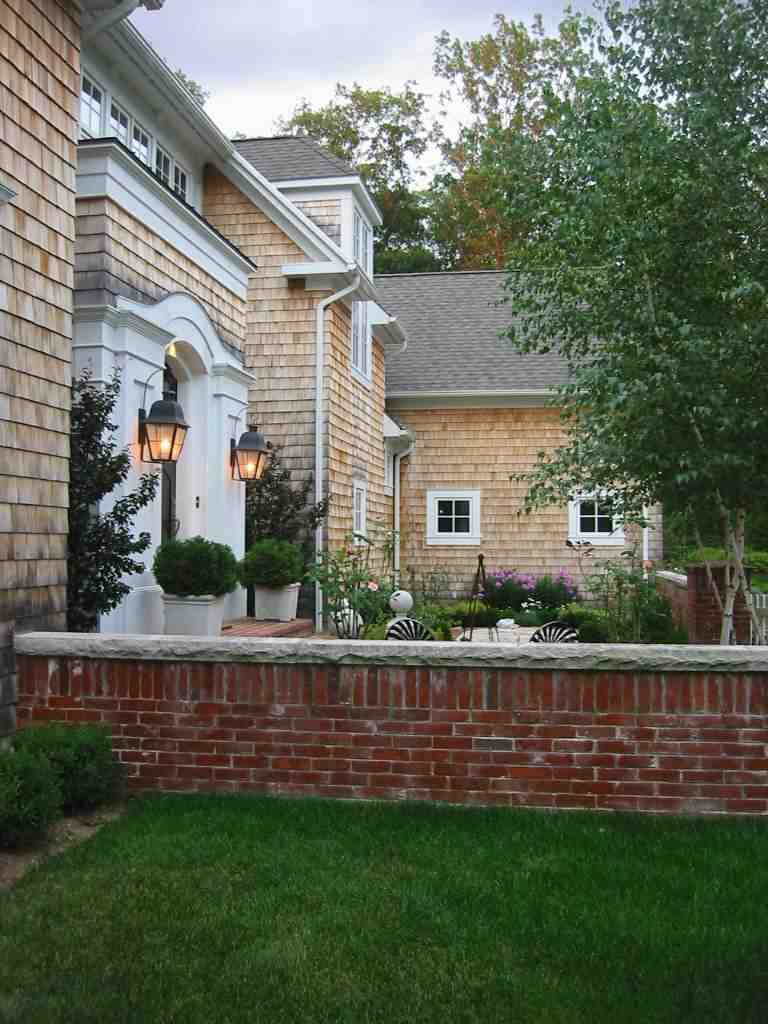
Cape Cod House: Top 5 Classic Styles in 2024
Cape Cod houses are the embodiment of timeless architectural charm, widely recognized for their classic style and deep roots in New England. Characterized by their simple, symmetrical design, steep gabled roofs, and central chimneys, these homes have been a staple of American architecture since the 17th century. Originally built to endure the harsh New England winters, Cape Cod houses have evolved yet retained their functional beauty through the centuries.
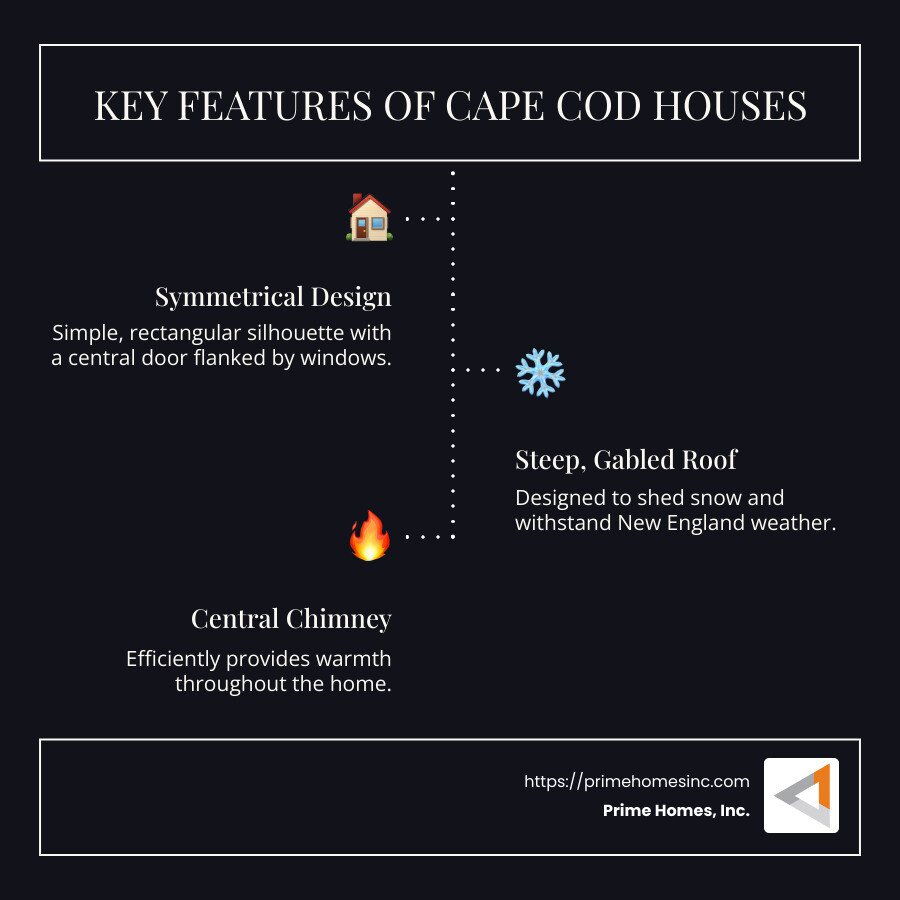
For those curious or in a hurry, here’s a quick glance at the key features of a Cape Cod house:
- Symmetrical Design: Simple, rectangular silhouette with a central door flanked by windows.
- Steep, Gabled Roof: Designed to shed snow and withstand New England weather.
- Central Chimney: Provides warmth efficiently throughout the home.
The architecture’s adaptability made it popular not only for its resilience but also for the nostalgic and neat appeal it continues to offer today.
My name is Jerome Bertuglia, and I have spent over three decades building unique, high-quality homes, including Cape Cod houses, across Connecticut. At Prime Homes, Inc., we bring to life the unparalleled charm of Cape Cod homes with attention to craftsmanship and personalized design.
Glossary for cape cod house:
– cape cod architecture
– cape cod style home remodeling ideas
– why do cape cod style homes have hardwood floors
Characteristics of Cape Cod Houses
Cape Cod houses are known for their simple yet iconic features, making them a favorite in American architecture. Let’s break down what makes these homes stand out:
Low, Broad Structure
These homes have a low, wide profile, which gives them a sturdy, grounded look. This design not only maximizes space but also ensures stability against harsh weather conditions. The layout is often rectangular, providing a straightforward and efficient use of space.
Gabled Roof
A steeply pitched, gabled roof is a hallmark of a Cape Cod house. This design is practical for shedding snow and rain, crucial for the stormy weather typical of New England. The gabled ends add to the home’s symmetrical appearance, enhancing its classic charm.

Central Chimney
One of the most distinctive features is the large central chimney. This chimney is not just for show; it was originally designed to heat the entire house efficiently. In the early days, it often accommodated back-to-back fireplaces, keeping the home warm and cozy during harsh winters.
Minimal Ornamentation
Cape Cod houses are celebrated for their simplicity and lack of excessive decoration. This minimalism is intentional, focusing on functionality and durability. The clean lines and understated elegance make these homes timeless, allowing them to blend seamlessly into their surroundings.
In summary, the Cape Cod house is a perfect example of how simple design can be both beautiful and functional. Its low, broad structure, gabled roof, central chimney, and minimal ornamentation all contribute to its enduring appeal.
Next, we’ll explore the fascinating history and evolution of these classic homes.
History and Evolution
Cape Cod houses have a rich history that dates back to the 17th century. These homes have evolved over the years, yet they still retain their classic charm.
17th Century Origins
The Cape Cod house style was introduced to America by English colonists in the 1600s. They adapted the design of English half-timber hall and parlor houses to suit the harsh New England climate. The result was a boxier, sturdier silhouette that could withstand heavy snow and strong winds.
These early homes featured a simple, rectangular layout with a steep roof and a large central chimney. This design maximized warmth and space, essential for surviving the bitter winters.
Colonial Revival
The style saw a resurgence during the Colonial Revival of the mid-20th century. This period, spanning from the 1920s to the 1950s, brought about the Cape Cod Revival. During this time, architects like Royal Barry Wills helped modernize the homes for the middle class. They added amenities such as bathrooms, kitchens, and garages, making these homes more practical for contemporary living.

The Cape Cod design also became a solution to the post-war housing boom. In places like Levittown, Long Island, rows of identical Cape Cod cottages were built to provide affordable homes for returning military veterans.
Adaptation to Modern Needs
In the 21st century, Cape Cod houses continue to adapt to modern needs. Homeowners often remove interior walls for open floor plans, allowing for more spacious living areas. Dormer windows and side extensions are common additions, enhancing natural light and space.
The exterior of these homes remains true to tradition, with colors like blue-gray, brown, and white being popular choices. While they maintain their historical essence, modern Cape Cod homes also incorporate contemporary features like larger windows and updated kitchens.
The evolution of the Cape Cod house is a testament to its timeless appeal. It has gracefully transitioned from a practical colonial home to a modern architectural favorite, all while retaining its classic features.
Next, let’s dig into the different types of Cape Cod houses and what sets them apart.
Types of Cape Cod Houses
Cape Cod houses are charming and versatile, with various styles to suit different needs and tastes. Let’s explore the four main types: quarter Cape, half Cape, three-quarter Cape, and full Cape.
Quarter Cape
The quarter Cape is the smallest and rarest of the Cape Cod styles. It features a single bay with a front door and just one window. This compact design was often the starting point for settlers, who expanded their homes as needed. The quarter Cape is perfect for those who appreciate simplicity and a cozy atmosphere.
Half Cape
The half Cape offers a bit more space. It includes two bays with a front door on one side and two windows on the other. This design was popular among early settlers who planned to expand their homes over time. The half Cape balances charm and functionality, making it ideal for small families or couples.
Three-quarter Cape
The three-quarter Cape is a step up in size. It features a front door with two windows on one side and a single window on the other, creating a slightly asymmetrical look. This design provides more interior space while maintaining the classic Cape Cod aesthetic. It’s perfect for those who want a bit more room without sacrificing traditional style.
Full Cape
The full Cape is the most symmetrical and spacious of the Cape Cod styles. It has a centered front door flanked by two windows on each side. This design exudes balance and elegance, making it a favorite for those who love traditional architecture. The full Cape offers ample space for larger families or those who enjoy entertaining.
Each type of Cape Cod house has its unique charm and benefits. Whether you’re drawn to the quaintness of a quarter Cape or the grandeur of a full Cape, there’s a style to fit your needs.
Next, we’ll explore the advantages and disadvantages of living in a Cape Cod house.
Advantages and Disadvantages
Living in a Cape Cod house offers a mix of benefits and challenges. Let’s explore the key aspects that make these homes both beloved and sometimes tricky.
Advantages
Weather Resilience
One of the standout features of a Cape Cod house is its ability to withstand harsh weather. These homes were originally designed for the tough New England climate. The steep, gabled roofs are excellent at shedding snow and rain, preventing buildup and potential damage. This makes Cape Cod houses a smart choice for regions with heavy snowfall or frequent storms.
Disadvantages
Draftiness
Despite their weather resilience, Cape Cod houses can be drafty. The older designs often lack modern insulation, which can lead to chilly interiors during cold months. This draftiness can make it tough to maintain a comfortable indoor environment without extra heating.
Temperature Control Issues
Another challenge with Cape Cod houses is their temperature control. The compact design and central chimney help distribute heat efficiently, but the layout can also lead to uneven temperatures. Heat tends to rise to the second floor, making it warmer, while the ground floor might remain cooler. This can be a hassle, especially in homes without updated heating systems.
Balancing the Pros and Cons
While Cape Cod houses offer charm and historical appeal, they come with specific challenges that homeowners should consider. Weather resilience is a big plus, but addressing draftiness and temperature control is crucial for comfortable living.
Let’s tackle some frequently asked questions about Cape Cod houses to clear up any lingering curiosities.
Frequently Asked Questions about Cape Cod Houses
What makes a house a Cape Cod house?
A Cape Cod house is easy to spot with its low, broad structure and classic design. These homes feature a gabled roof that slopes steeply to help with shedding rain and snow. This design is not just for looks—it’s practical for weather resilience.
A hallmark of the Cape Cod house is its central chimney. Originally, this was crucial for heating, allowing warmth to spread evenly throughout the home. This chimney is often flanked by a central door, giving the house its symmetrical charm.
What are the disadvantages of a Cape Cod house?
While charming, Cape Cod houses can be challenging to live in because of temperature control issues. The structure’s design can lead to uneven heating. The second floor might get too warm, while the first floor stays cooler. This is partly due to the central chimney, which, while efficient, can make it tricky to maintain consistent temperatures.
Another issue is draftiness. Older Cape Cod houses often lack modern insulation, leading to chilly drafts in winter. This can make heating more expensive and maintaining a cozy atmosphere a bit of a challenge.
What is the difference between a colonial and a Cape Cod?
The difference between a colonial and a Cape Cod house often lies in the second floor height and the vertical walls.
A colonial home usually has a full second story with vertical walls, offering more space and higher ceilings. In contrast, Cape Cod houses have a half-story on the second floor, where the sloping roof limits space and headroom.
These differences affect the interior layout and can influence how you use the space. While colonials might offer more room, Cape Cod houses bring a cozy, compact charm that many find appealing.
Understanding these aspects can help you decide if a Cape Cod house is right for you. We’ll explore more about this classic architectural style and its enduring appeal.
Conclusion
At Prime Homes, Inc., we specialize in turning the timeless charm of Cape Cod houses into luxurious, personalized homes. Our focus is on crafting spaces that reflect your unique vision and lifestyle.
Luxury Home Builder: We pride ourselves on our commitment to quality and attention to detail. Every home we build is a testament to our dedication to exceptional craftsmanship. We understand that a home is more than just a structure—it’s a sanctuary. That’s why we collaborate closely with you to ensure your home is both beautiful and functional.
Personalized Craftsmanship: Our team of experts works with you from start to finish, ensuring that every detail aligns with your desires. Whether you’re drawn to the classic features of a Cape Cod house or you’re looking to incorporate modern amenities, we are here to bring your dream home to life.
Choosing Prime Homes, Inc. means choosing a partner who values your input and strives to exceed your expectations. Our hands-on approach and commitment to excellence make us the ideal choice for anyone looking to build a home that stands the test of time.
Ready to explore the possibilities of a luxury Cape Cod house? Learn more about our services and start your journey with us today.