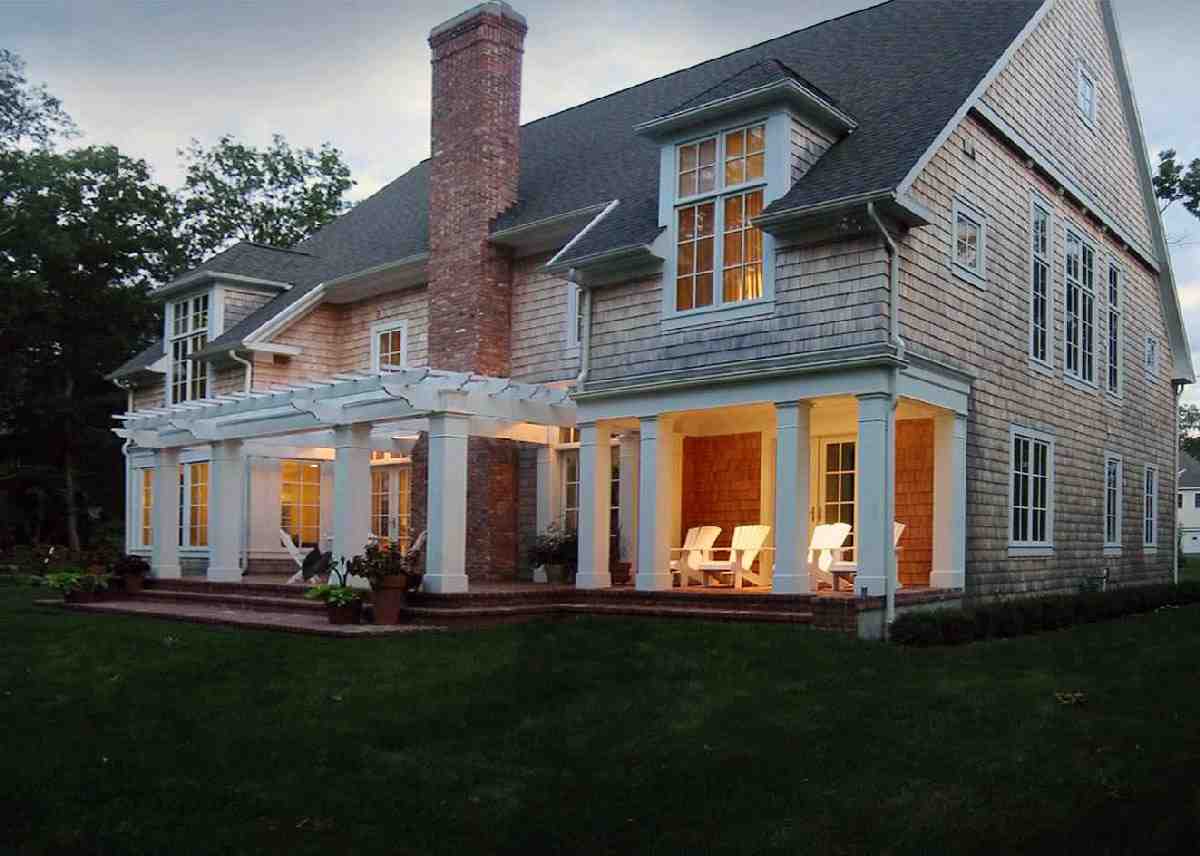
Cost of Building a House: 5 Key Insights for 2024

The Real Price of Your Dream Home
When considering the construction of a new home, cost of building a house is a primary concern for many. To make informed decisions, here are a few key points:
- Average Cost: Typically, building a house can cost between $138,523 and $525,406, with an average around $317,786. However, potential buyers should note that land purchase and preparation are additional costs, making the total expense higher.
- Customization vs. Convenience: Building lets you create a perfect space custom to your needs, but it’s more complex and time-intensive than buying an existing home. Buying is quicker but may require you to compromise on features.
- Regional Costs: Costs vary widely by location. For instance, the cost to build can significantly differ between metropolitan and rural areas, such as New York City versus upstate New York or central Connecticut.
- Factors Influencing Cost: The price of materials, labor, permits, and changes in real estate trends all play a role in the overall expenses.
Hello! I’m Jerome Bertuglia, the owner of Prime Homes, Inc., with over 30 years of expertise in the home building industry. My experience in managing the cost of building a house ensures that your investment results in a high-quality, custom-built home custom just for you.
Cost of building a house word guide:
– house designs and cost to build
– home construction
– construction cost
Understanding the Cost of Building a House
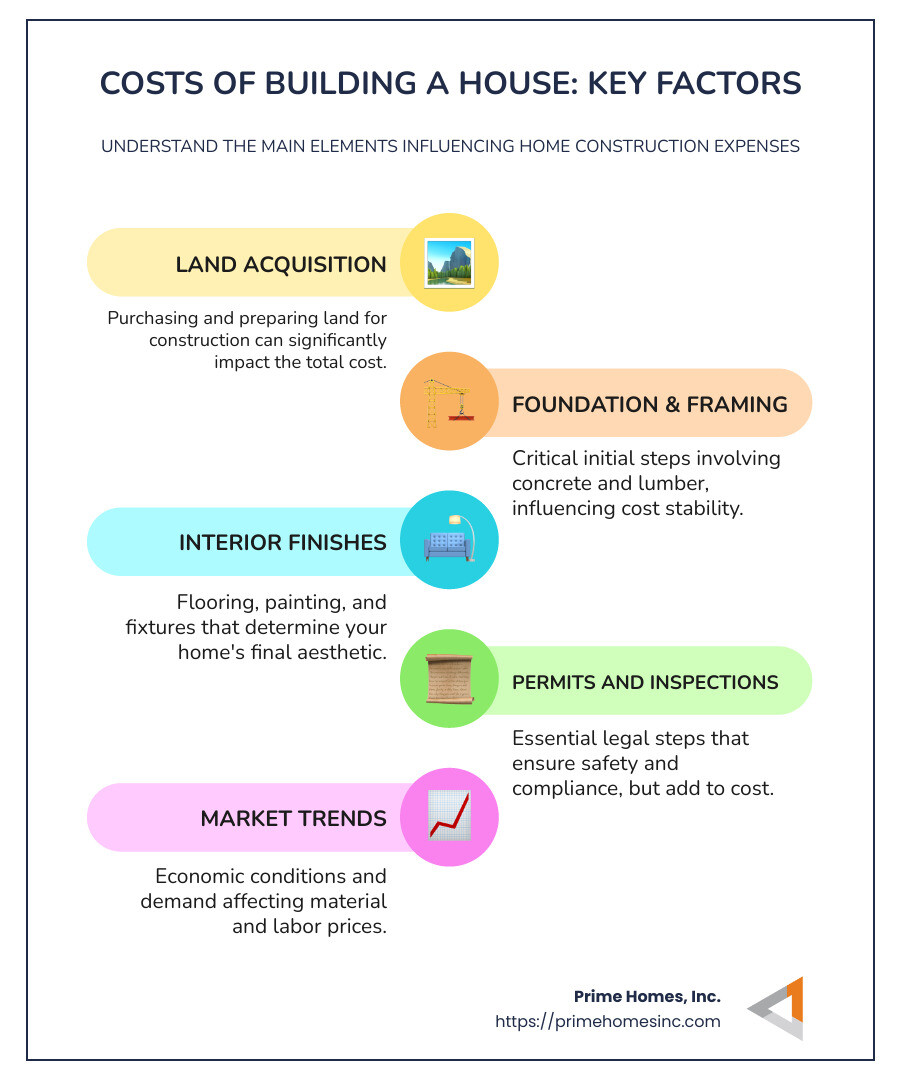
When you’re planning to build a house, understanding the cost breakdown is crucial. Let’s explore the key cost components and how they differ across regions like New York, Connecticut, and Massachusetts.
Key Cost Components
- Land Purchase and Permits
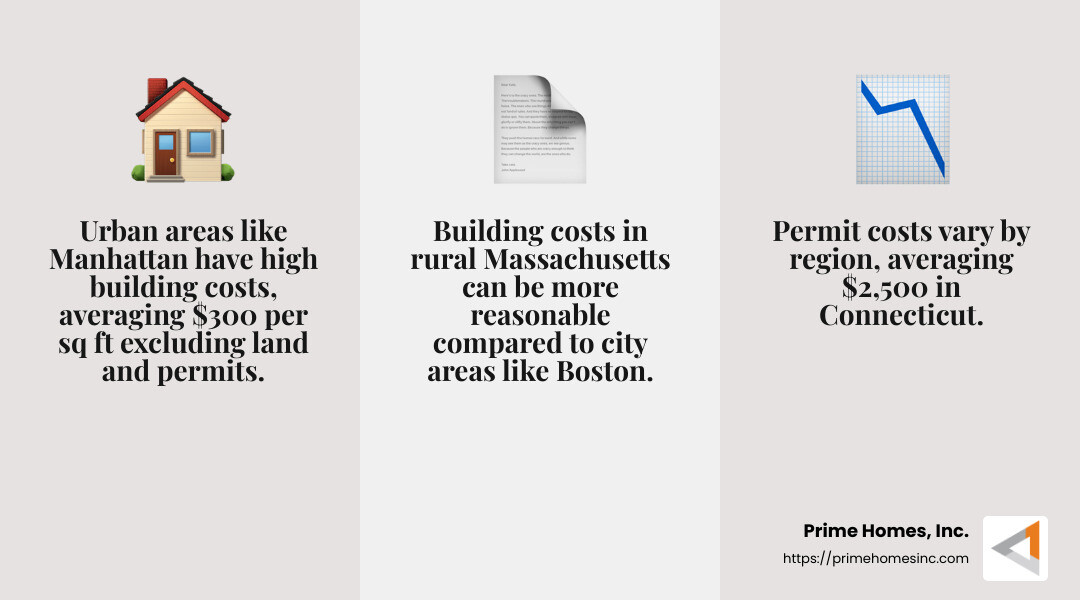
Before construction begins, you need land. Land prices can vary greatly depending on the location. In urban areas, land is often more expensive due to higher demand. Once you have the land, you’ll need permits to start building. These permits can cost around $2,500 in Connecticut, but prices vary by region.
- Foundation and Framing
The foundation is your home’s base, and it’s critical to get it right. On average, prepping and building your foundation can cost about $9,000. Framing, which is like building your home’s skeleton, is another major expense. Expect to spend between $20,000 and $50,000, with an average of $35,000.
- Interior Finishes
Interior finishes turn your house into a home. This includes flooring, drywall, and paint. The cost here can vary widely based on your choices, ranging from $50,000 to $175,000. Your taste in materials and finishes will significantly impact this cost.
Regional Cost Variations
The cost of building a house isn’t the same everywhere. Let’s look at how it differs in New York, Connecticut, and Massachusetts.
- New York
Building in New York, especially in urban areas like Manhattan, is expensive. The average cost per square foot is around $300, not including land and permits. The total cost to build a house here can easily exceed the national average due to high land prices and labor costs.
- Connecticut
In Connecticut, costs can be more manageable, especially outside major cities. Permit costs average around $2,500, and land can be more affordable compared to New York. However, building in coastal or upscale areas can drive prices up.
- Massachusetts
Massachusetts presents a mix. Building in cities like Boston is costly due to high demand and land scarcity. However, in more rural parts, prices can be more reasonable. The cost of materials and labor also influences the final price.
Understanding these key cost components and regional differences helps you plan better and make informed decisions. Next, we’ll explore a detailed cost breakdown, focusing on materials, labor, and customization options.
Detailed Cost Breakdown
When building a house, understand the cost of building a house from the ground up. This section will break down the expenses involved in foundation, framing, and both interior and exterior finishes.
Foundation and Framing Costs
Foundation
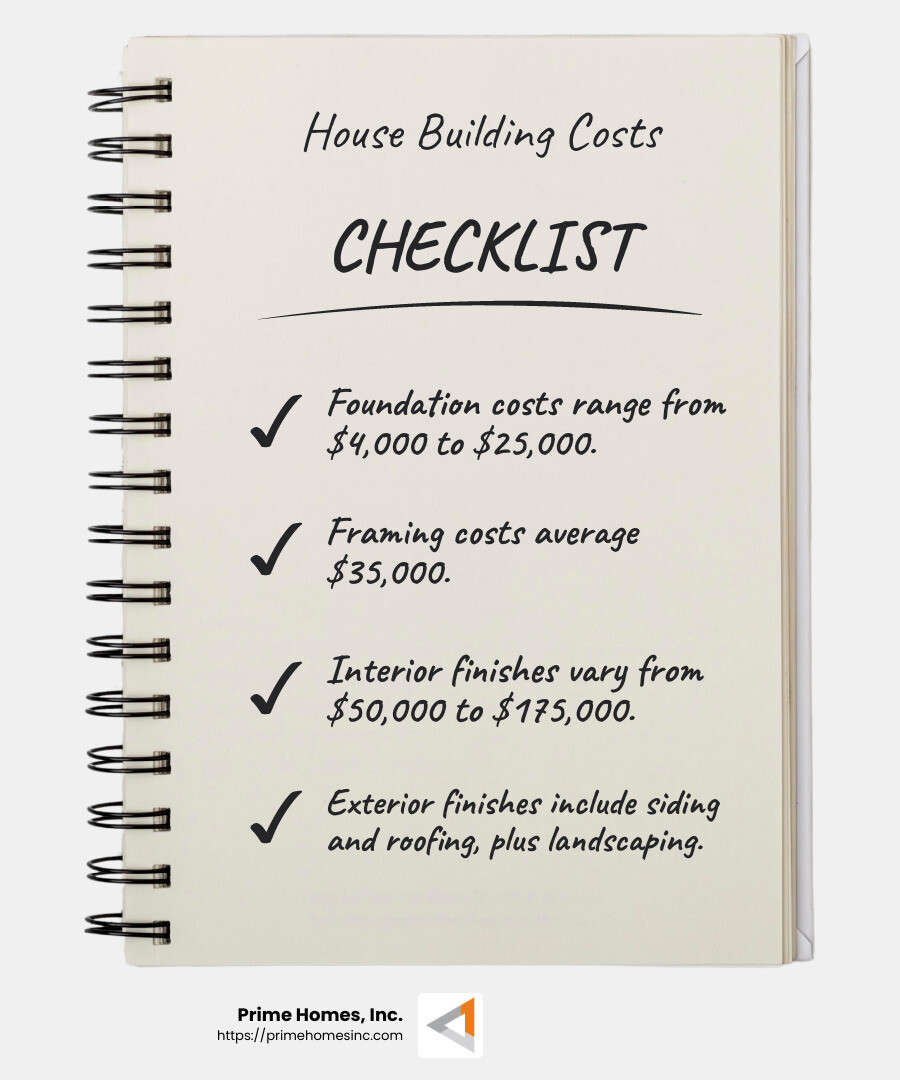
The foundation is the bedrock of your home. Costs can range from $4,000 to $25,000, depending on soil conditions and the type of foundation you choose. For example, a concrete slab is typically more affordable, while a basement foundation can be pricier due to the additional excavation needed.
Framing
Framing is like the skeleton of your house. It involves constructing the walls, roof, and floor structures. Costs typically range from $20,000 to $50,000, with an average of around $35,000. Lumber prices can fluctuate, impacting the overall cost. It’s crucial to work with skilled labor to ensure a sturdy build.
Interior and Exterior Finishes
Interior Finishes
Once the structure is up, it’s time to focus on the interior. This includes flooring, drywall, and paint. Flooring costs in places like New York City can range from $6 to $8 per square foot. The total cost for interior finishes can vary widely, from $50,000 to $175,000, depending on your material choices and customization preferences.
Exterior Finishes
Exterior finishes include siding, roofing, and landscaping. Siding costs range from $4 to $8 per square foot, while roofing can vary significantly based on material. For instance, asphalt shingles are more affordable, while slate can be much more expensive. Landscaping, including outdoor spaces, can add an additional $4,150 to $11,190, depending on the features you choose.
Understanding these cost components allows you to plan your budget effectively. Next, we’ll dig into the factors that can influence these costs, such as market trends and material availability.
Factors Influencing the Cost of Building a House
Building a house is not just about blueprints and bricks. Several external factors can significantly affect the cost of building a house. Understanding these factors can help you better plan and manage your budget.
Economic and Market Trends
The real estate market is dynamic. Market trends can drive up or lower the cost of building a house. For instance, when the market is hot, demand for new homes increases. This demand can lead to higher prices for materials and labor as builders rush to meet the need.
Inflation also plays a role. As the cost of goods and services rises, so does the cost of building a house. For example, if inflation spikes, expect the prices for lumber, concrete, and other materials to increase.
Material and Labor Availability
Material availability can be a significant factor. If there’s a shortage of building materials, prices can skyrocket. In 2023, for example, some materials remained volatile in price, while others stabilized. This unpredictability can impact your budget.
Labor costs are another crucial element. Skilled contractors and workers are essential for quality construction. However, their availability can be limited, especially in busy markets. In places like New York, labor costs can account for 10% to 20% of the total construction value. This percentage can increase if there’s a high demand for skilled workers.
Supply Chain Challenges
Supply chain issues can cause delays and increase costs. If materials are stuck in transit, your project timeline can extend, leading to higher labor costs as workers wait for supplies. This was particularly evident during the pandemic when global supply chains were severely disrupted.
Contractor Availability
The availability of contractors is another factor. When many people are building homes, contractors may be booked months in advance. This high demand can lead to increased prices as contractors prioritize higher-paying projects.
Understanding these factors can help you steer the complexities of building a house. By keeping an eye on market trends and ensuring material and labor availability, you can better control the costs involved.
Next, we’ll answer some frequently asked questions about building costs, including whether it’s cheaper to build or buy a house.
Frequently Asked Questions about Building Costs
Is it cheaper to build or buy a house?
When considering whether to build or buy a house, the cost of building a house is a key factor. Generally, building a home is more expensive than buying an existing one. On average, you might spend about $35,000 more to build a house than to buy one. This is because building involves costs for land, construction permits, and unexpected expenses that can add up quickly.
Buying a house typically means you can move in faster and avoid the lengthy construction process. Plus, you might find a property that requires little to no renovation. However, building allows you to customize your home to meet your specific needs, which is something you might not get with a pre-owned home.
How long does it take to build a house?
The timeline for building a house varies. On average, it takes several months, often ranging from 6 to 12 months, depending on the complexity of the project.
Construction Phases:
- Pre-Construction: This includes designing, planning, and obtaining permits. It can take a few weeks to several months.
- Foundation and Framing: Laying the foundation and framing the house can take 1-2 months.
- Interior and Exterior Finishes: Installing features like flooring, roofing, and siding can take another 2-4 months.
- Final Touches and Inspections: These can add an additional month to the timeline.
Delays can occur due to weather, supply chain issues, or contractor availability, which can extend the timeline.
What are hidden costs in building a house?
Building a house comes with several hidden costs that can surprise you if you’re not prepared. Here are a few to watch out for:
- Permits and Inspections: These are necessary for legal compliance and safety, but they can add thousands of dollars to your budget. Each phase of construction often requires its own inspection, adding to the timeline and costs.
- Unexpected Expenses: These can include anything from changes in material costs to unforeseen issues like soil problems that require additional work. It’s wise to budget an extra 10-20% for these surprises.
- Land Preparation: Costs for grading the land, installing utilities, and landscaping can be significant, especially if the land is not already prepared for building.
Understanding these potential costs can help you plan a more accurate budget and avoid financial stress during the building process.
Next, we’ll explore more about the conclusion of building a customized home with Prime Homes, Inc.
Conclusion
Building a home is more than just constructing walls and a roof—it’s about creating a space that matches your lifestyle and dreams. At Prime Homes, Inc., we understand that the cost of building a house is a significant investment, but we believe it’s one that pays off in the quality and personalization of your home.
We specialize in luxury construction with a focus on creating personalized homes that reflect your unique vision. Our commitment to exceptional craftsmanship and client collaboration ensures that every detail of your home is custom to your needs and preferences.
The Prime Homes, Inc. Advantage
- Customization: We involve you in every decision, from layout to finishes, ensuring your home is a true reflection of your style.
- Luxury Construction: Our expertise in high-quality materials and modern building techniques guarantees a home that is both beautiful and built to last.
- Client Collaboration: We work closely with you throughout the process, keeping you informed and engaged to ensure your satisfaction.
Building a home with us means more than just erecting a structure—it’s about creating a legacy. Whether you’re dreaming of a spacious family home or a cozy retreat, our team is here to make that dream a reality.
Ready to start your journey with Prime Homes, Inc.? Find more about building a home in Connecticut and let us help you craft a space that you’ll love for years to come.