

What Defines a Cape Cod Style Home? 5 Timeless Features

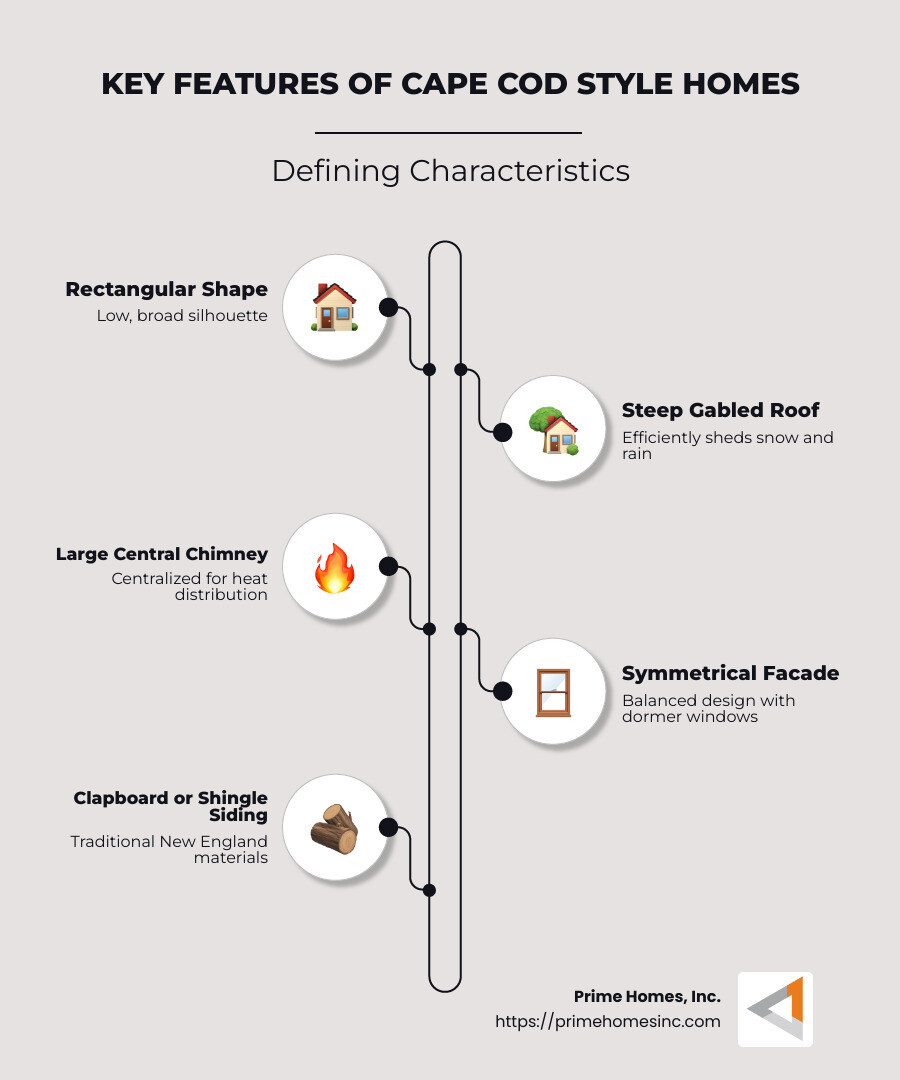
What defines a Cape Cod style home is its charming blend of simplicity, practicality, and historical roots. Originating in the 17th century from New England, these homes are characterized by:
- A low, broad rectangular silhouette
- A steep, side-gabled roof
- A large central chimney
- Symmetrical facade with dormer windows
- Clapboard or shingle siding
These key features have weathered centuries, making them timeless structures that blend form with function.
Cape Cod homes are not just about aesthetics; they’re a piece of American history. Starting with early settlers, these homes were designed to endure harsh New England winters while maintaining efficient heat conservation. Their enduring appeal lies in their ability to marry old-world charm with contemporary convenience, maintaining relevance through decades of architectural evolution.
I’m Jerome Bertuglia, and with over 30 years in the custom home building industry, my expertise in understanding what defines a Cape Cod style home is backed by years of dedication to quality craftsmanship and historical accuracy. I’m here to guide you through every facet of building your dream home.
Quick what defines a cape cod style home terms:
– cape cod architecture
– cape cod style home remodeling ideas
– modern cape cod
Key Features of Cape Cod Style Homes
One of the most defining features of Cape Cod style homes is their symmetrical facade. Picture a house with a central door, flanked by evenly spaced, multipaned windows. This balanced design creates a harmonious look that is both pleasing and functional. The symmetry not only improves curb appeal but also makes the interior layout predictable and easy to steer.
Steep Gabled Roof
Cape Cod homes are famous for their steep gabled roofs. These roofs are not just for show; they serve a practical purpose. The steep pitch helps shed snow and rain, which is essential in New England’s stormy weather. This design helps prevent the roof from collapsing under heavy snow, a common concern in the region where these homes originated.
Central Chimney
A central chimney is a hallmark of Cape Cod architecture. In the early days, this feature was crucial for heating the entire house. The large chimney would retain heat, making these homes cozy during harsh winters. Even today, this feature remains a beloved aspect of Cape Cod homes, adding to their rustic charm.
Dormer Windows
While early Cape Cod homes often lacked dormers, the addition of dormer windows during the Colonial Revival period brought more light and space to the upper floors. These windows break up the roofline and add visual interest to the exterior while providing much-needed headroom and natural light inside.
Clapboard or Shingle Siding
The exterior of Cape Cod homes is typically clad in clapboard or shingle siding. This siding weathers beautifully to a gray patina, giving the homes a rustic, charming look that blends seamlessly with the natural landscape. Originally, these materials were chosen for their availability and durability, and they continue to be a popular choice for their timeless appeal.

These key features capture the essence of Cape Cod style homes. They are practical, yet charming, embodying a unique blend of historical significance and timeless design. As you explore building or buying a Cape Cod home, keep these features in mind to ensure your home stays true to its roots.
Types of Cape Cod Homes
Cape Cod homes come in various styles, each with its own charm and historical significance. Let’s explore the different types: quarter Cape, half Cape, three-quarter Cape, full Cape, and the Colonial Revival.
Quarter Cape
Quarter Capes are the smallest and rarest of the Cape Cod styles. They feature a single door and one window on the front facade. These homes were often the starting point for settlers, who would expand the house as their needs grew. Despite their compact size, quarter Capes maintain the classic Cape Cod charm with their symmetrical design and steep roofs.
Half Cape
The half Cape is slightly larger, with a door on one side and two windows on the other. This style was popular among early settlers who needed more space but still wanted a modest home. The asymmetrical layout gives the half Cape a quaint, cozy feel, making it a beloved choice for those who appreciate simplicity.
Three-quarter Cape
Three-quarter Capes offer a balance between the half and full Cape designs. They feature a front door with two windows on one side and a single window on the other. This layout provides a bit more space and flexibility while retaining the traditional Cape Cod aesthetics. The three-quarter Cape is perfect for families looking for a classic home with a touch of uniqueness.
Full Cape
The full Cape is the epitome of Cape Cod architecture, showcasing perfect symmetry with a central door flanked by two windows on each side. This style became popular during the Colonial Revival period, as it offered more space and a grander appearance. Full Capes are ideal for those who love traditional design and want a home that exudes historical charm.
Colonial Revival
The Colonial Revival Cape Cod style emerged in the 20th century, bringing modern updates to the classic design. These homes often feature larger, more open floor plans, dormer windows, and decorative shutters. The Revival style maintained the beloved symmetry and steep roofs but added contemporary touches that appealed to growing families after World War II.
Each type of Cape Cod home offers a unique blend of history, charm, and practicality. Whether you’re drawn to the simplicity of a quarter Cape or the grandeur of a full Cape, these homes capture the essence of New England’s architectural heritage.
What Defines a Cape Cod Style Home?
Cape Cod homes are all about simplicity and function. They have a few key features that make them easy to spot. Let’s break down what defines a Cape Cod style home:
Rectangular Shape
Most Cape Cod homes have a simple, rectangular shape. This design makes them easy to build and efficient to heat. It’s like a classic boxy structure that uses space wisely. This straightforward layout helps maintain the home’s cozy feel.
Low Ceilings
Inside, you’ll often find low ceilings. This feature was originally practical, helping to keep homes warm during harsh New England winters. While modern versions may have higher ceilings, traditional Capes keep it low to conserve heat and maintain their rustic charm.
Central Door
A central front door is a hallmark of Cape Cod design. It splits the facade symmetrically, creating a balanced look. This door usually opens to a central hallway, leading to rooms on either side. The symmetry of the central door gives the home a neat and tidy appearance.
Multipaned Windows
Cape Cod homes often feature multipaned windows. These small-paned windows add character and are sometimes paired with shutters. Historically, shutters were functional, protecting the home from strong winds. Today, they add to the home’s quaint, coastal look.
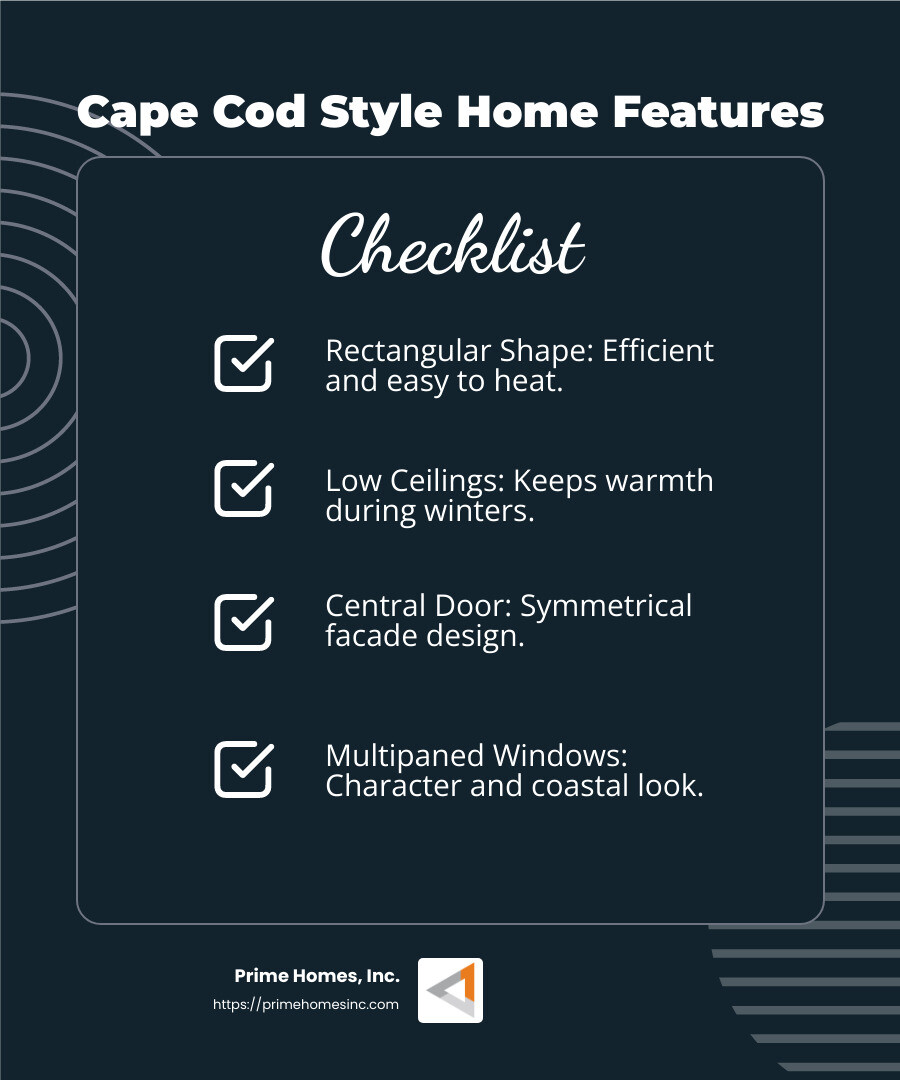
These elements come together to create the classic Cape Cod aesthetic. Whether you’re walking through a historic neighborhood or flipping through a home design magazine, these features are what make Cape Cod homes so recognizable and beloved.
In the next section, we’ll explore the materials and construction techniques that give Cape Cod homes their enduring appeal.
Materials and Construction
Cape Cod style homes are built with materials that stand up to the tough New England weather. These homes use simple, local materials that are both durable and charming.
Local Materials
Cape Cod homes often use materials found in their local environment. This means they are designed to handle the cold, windy winters and warm, breezy summers of New England. The use of local materials also helps these homes blend into their natural surroundings.
Oak and Pine
Oak and pine are the primary woods used in Cape Cod homes. These woods are strong and long-lasting. Oak and pine were often used for post and beam framing, providing a sturdy structure to withstand the elements. Pine is also used for flooring, adding warmth and character to the home’s interior.
Cedar Shingles
Cedar shingles are a signature feature of Cape Cod homes. They are often left unpainted, allowing them to weather naturally to a silvery-gray color. This weathered look gives Cape Cod homes their iconic rustic charm. Cedar is chosen for its durability and ability to resist moisture, making it ideal for coastal climates.

Brick Fireplaces
A brick fireplace is often at the heart of a Cape Cod home. Traditionally, these fireplaces were large and central, providing heat for the entire house. As heating technology advanced, the fireplaces became smaller, but they remain a cozy and traditional feature. Brick is chosen for its ability to withstand high temperatures and its classic appearance.
These materials and construction techniques are not just about looks—they’re about making homes that last. Cape Cod homes are a testament to using simple, effective materials to create a warm and inviting living space.
In the next section, we’ll answer some frequently asked questions about Cape Cod style homes, including their disadvantages and how they differ from other styles.
Frequently Asked Questions about Cape Cod Style Homes
What are the disadvantages of a Cape Cod style house?
Poor Insulation: Traditional Cape Cod homes often have poor insulation. Their simple design, while charming, means they might not be as energy-efficient as modern homes. Many older homes have been updated with better insulation, but it’s something to consider if you’re looking at a historic property.
Cramped Second Floor: The second floor of a Cape Cod home is often called “half a floor.” The sloped ceilings, due to the steep gabled roof, can make the space feel cramped. This can be a challenge for storage or furniture placement, though dormer windows can help add light and space.
How is a Cape Cod different from a Colonial house?
Gambrel vs. Gable Roof: One key difference is the roof style. Cape Cod homes typically feature a gable roof, known for its steep pitch. This design helps with shedding snow in cold climates. On the other hand, Colonial homes might have a gambrel roof, which has two slopes on each side and provides more attic space.
Square Footage: Colonial homes are generally larger than Cape Cod homes. Colonials often have two full stories, offering more living space. Cape Cods are usually one or one-and-a-half stories, making them cozy but potentially cramped for larger families.
Is my house a bungalow or Cape Cod?
Central Chimney: If your house has a central chimney, it might be a Cape Cod. This feature is a hallmark of the style, designed to heat the entire home efficiently.
Symmetrical Design: Cape Cod homes are known for their symmetrical design. If your house has a balanced facade with a centrally located front door, it could be a Cape Cod. Bungalows, in contrast, often have asymmetrical layouts and may spread out more horizontally.
Understanding these differences can help you identify whether your home is a Cape Cod or another style. In the next section, we’ll explore more about the timeless appeal of Cape Cod homes and how Prime Homes, Inc. can help you find your perfect match.
Conclusion
Cape Cod style homes have a timeless appeal that continues to captivate homeowners. Their simple, charming design, rooted in history, offers a cozy and inviting atmosphere. The classic features—like the steep gabled roof, central chimney, and symmetrical facade—create a look that is both neat and practical. These homes are perfect for those who appreciate a blend of historical charm and modern comfort.
Prime Homes, Inc. specializes in bringing the Cape Cod style to life with a modern twist. We understand the unique appeal of these homes and are committed to creating luxurious living spaces that reflect your individual vision. Our team works closely with you to ensure every detail aligns with your lifestyle, from selecting materials to designing functional interiors.
Imagine a Cape Cod home custom to your needs, with modern amenities and sustainable materials. Whether you’re building new or restoring an existing home, we can help you create a space that is both beautiful and practical.
Ready to bring your dream Cape Cod home to life? Contact Prime Homes, Inc. today to start your journey towards owning a piece of timeless architecture. Let’s make your dream home a reality.
